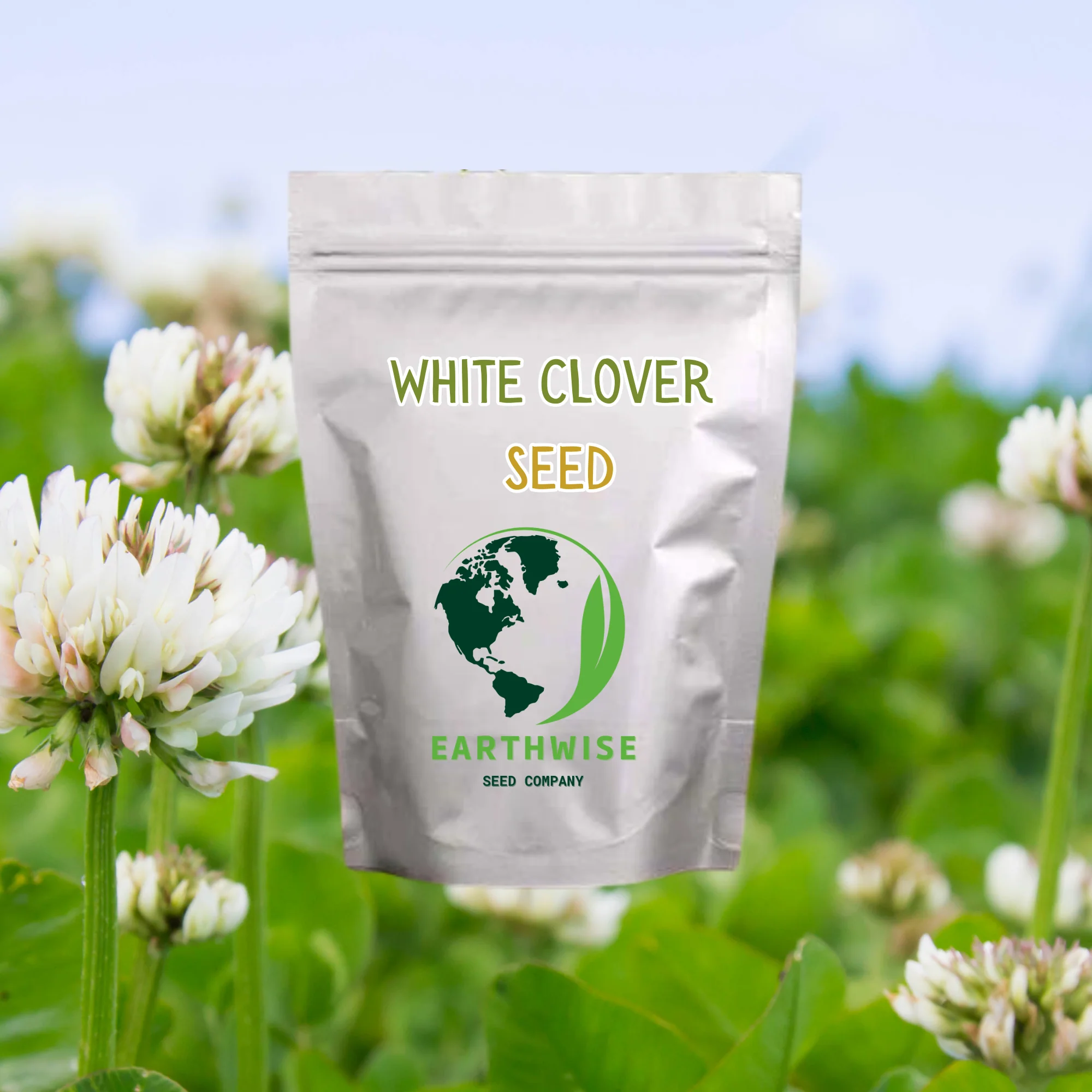
White Dutch Clover Alternative Lawn Seed
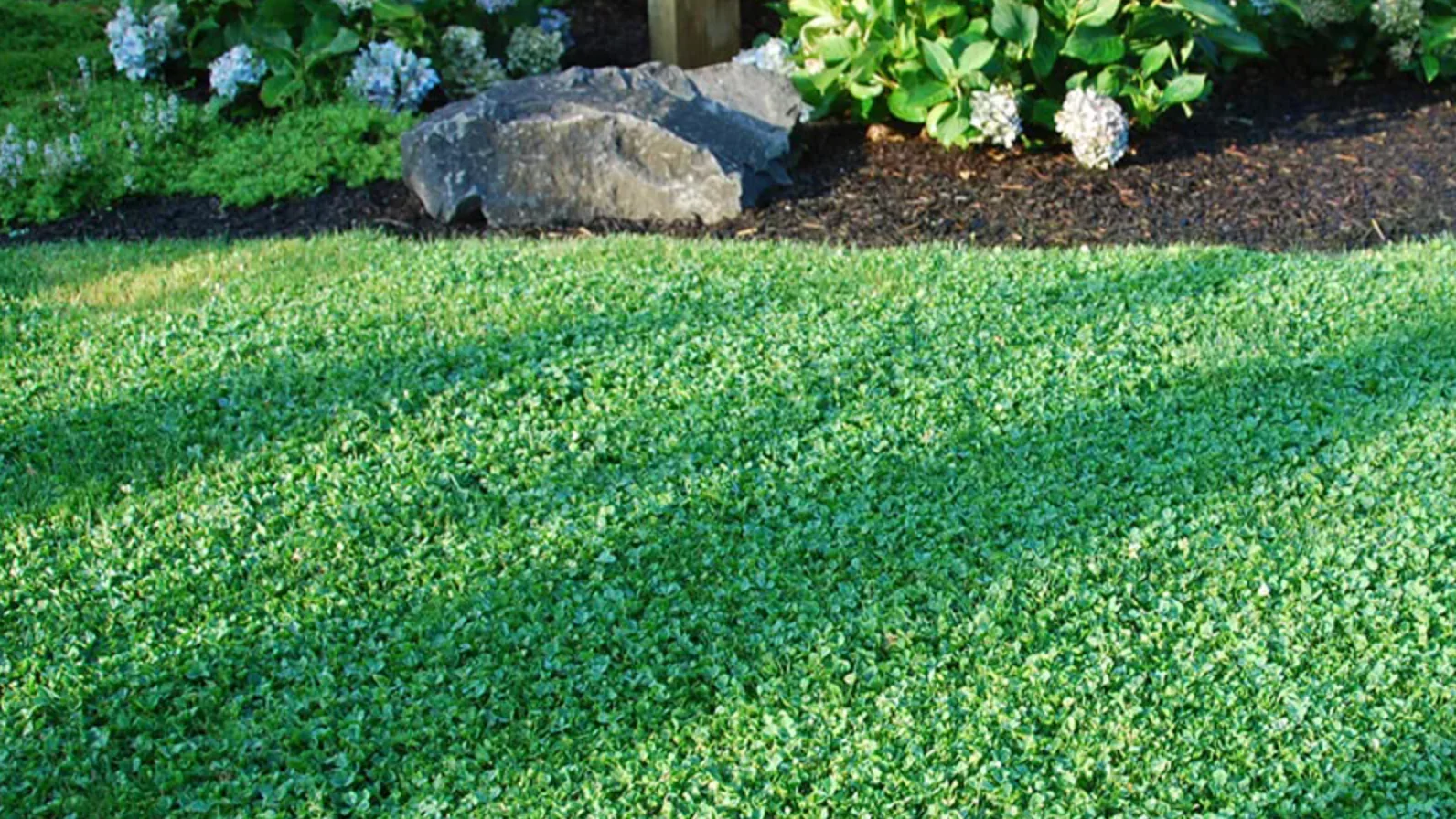
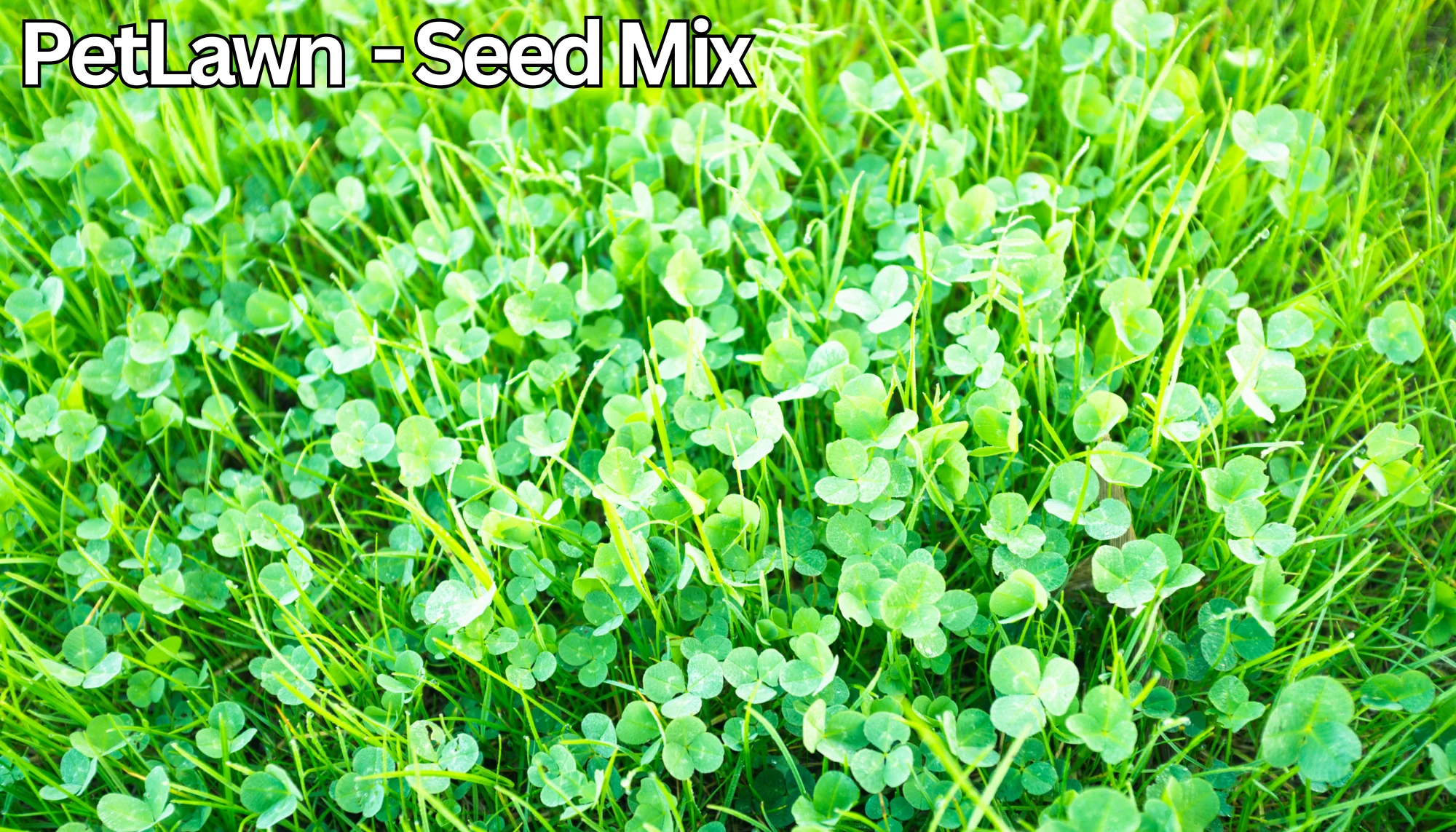
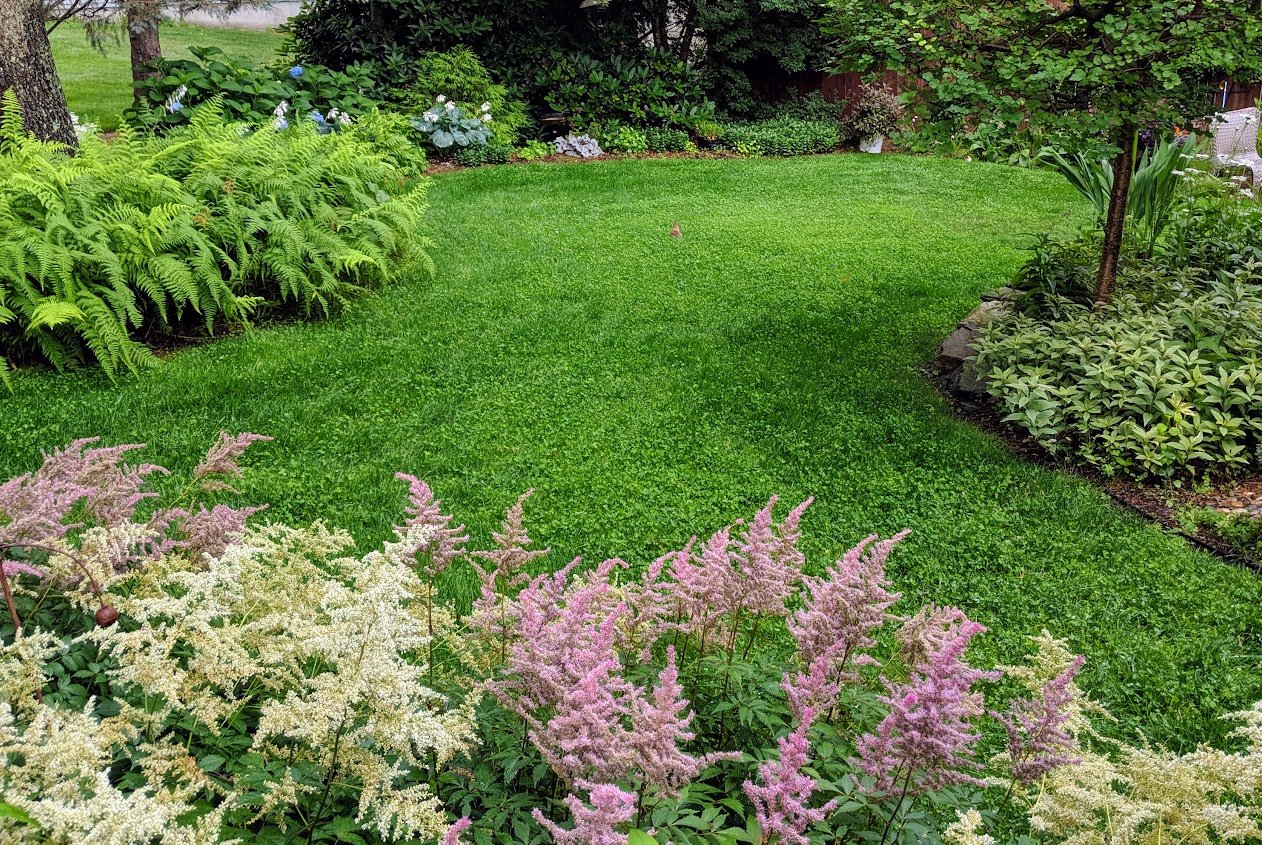
🌿 Soft, Lush Lawn – Creates a dense, vibrant groundcover that’s easy to grow
🍃 Nitrogen-Fixing – Naturally enriches soil, reducing fertilizer needs by up to ⅓
💧 Water Efficient – Stays green through drought periods with minimal irrigation
🌎 Eco-Friendly Alternative – Reduces mowing and chemical use
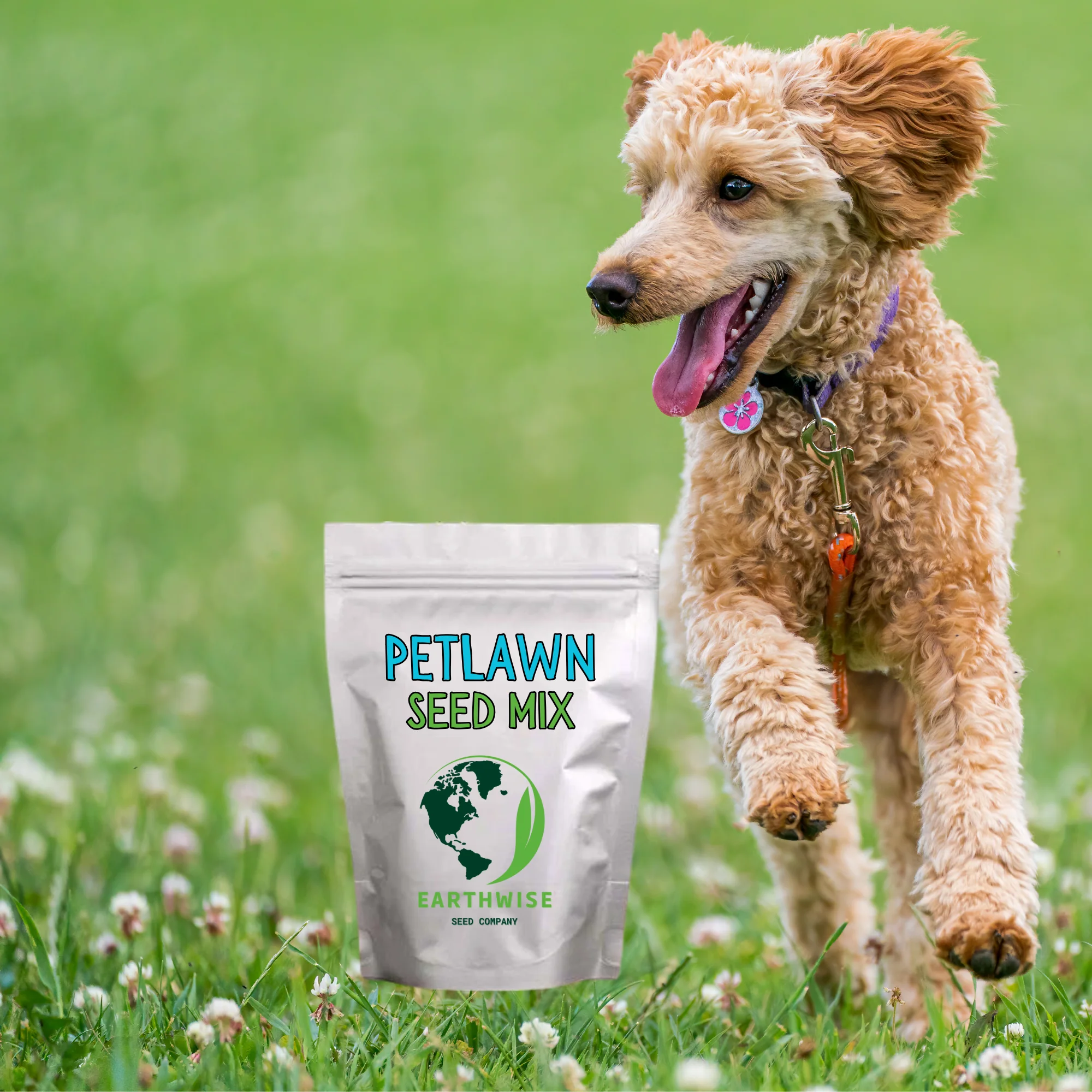
🐾 Pet & Family Safe – 100% natural and chemical-free
🦋 Pollinator Friendly – Attracts bees, butterflies, and other beneficial insects
☀️ Sun to Partial Shade – Thrives in full sun and tolerates light shade
✂️ Low Maintenance – Can be mowed lightly or left natural for a “no-mow” look
Where It Grows Best
White Dutch Clover thrives across most of the U.S.:
Ideal Regions: 1, 2, 3, 4, 7 (5 & 6 with irrigation)
It grows well in poor clay soils, compacted subsoils, and even freshly disturbed areas. This perennial clover is winter-hardy and adapts beautifully to both new lawns and established grass mixes.
Planting Overview
White Dutch Clover can be planted on bare soil or overseeded into an existing lawn.
- Bare soil planting gives rapid, uniform establishment.
- Overseeding lets the clover integrate naturally with existing grass while improving soil and nitrogen levels over time.
Seeding Depth:
-
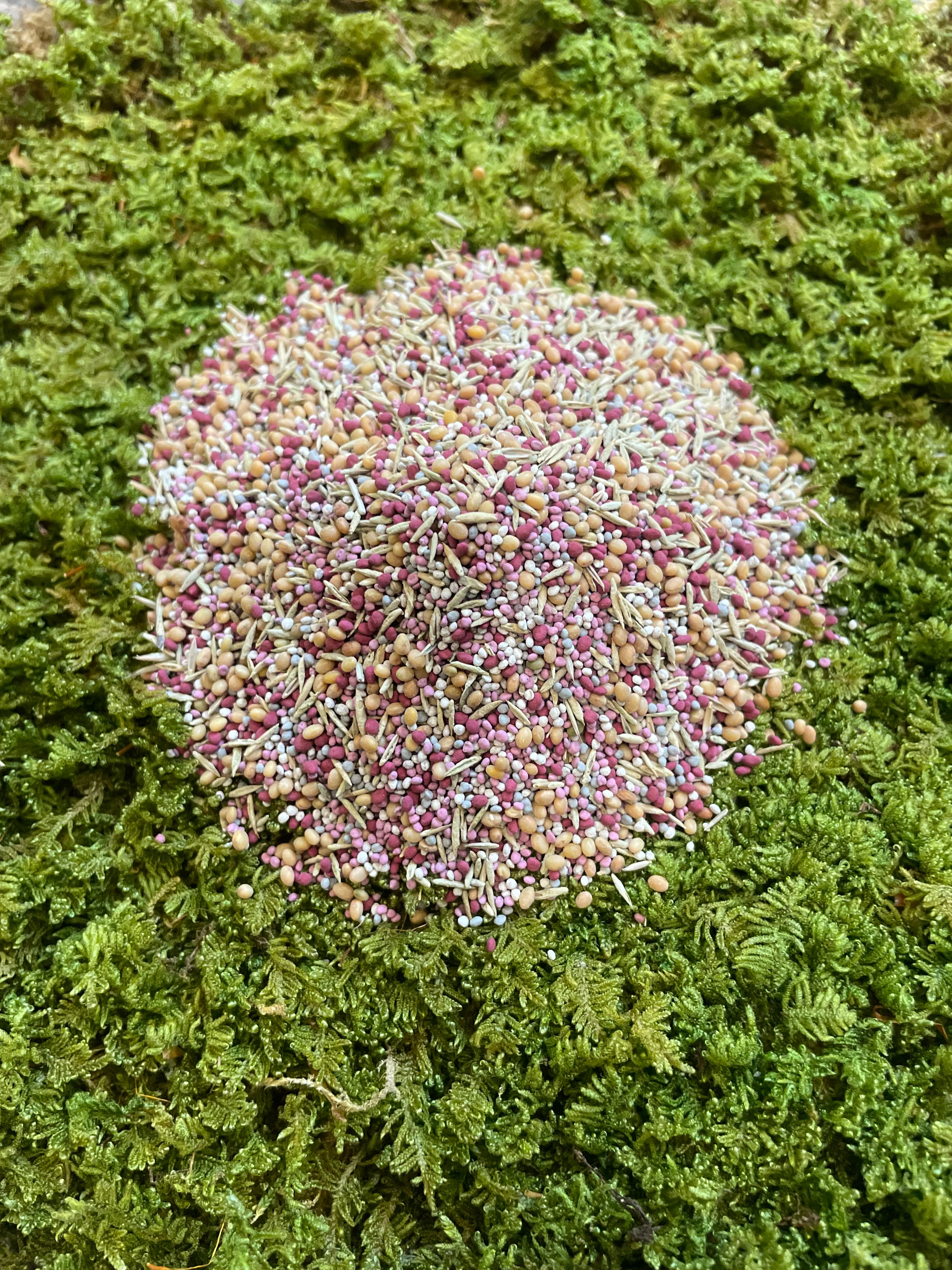
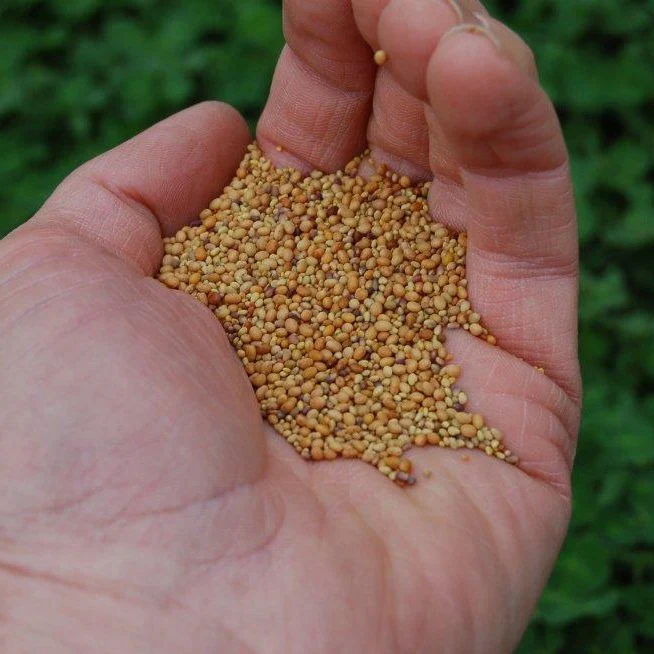
1/8-inch maximum (ideal for coated seed)
🌿 Soft, Lush Lawn – Creates a dense, vibrant groundcover that’s easy to grow
🍃 Nitrogen-Fixing – Naturally enriches soil, reducing fertilizer needs by up to ⅓
💧 Water Efficient – Stays green through drought periods with minimal irrigation
🌎 Eco-Friendly Alternative – Reduces mowing and chemical use
🐾 Pet & Family Safe – 100% natural and chemical-free
🦋 Pollinator Friendly – Attracts bees, butterflies, and other beneficial insects
☀️ Sun to Partial Shade – Thrives in full sun and tolerates light shade
✂️ Low Maintenance – Can be mowed lightly or left natural for a “no-mow” look
Where It Grows Best
White Dutch Clover thrives across most of the U.S.:
Ideal Regions: 1, 2, 3, 4, 7 (5 & 6 with irrigation)
It grows well in poor clay soils, compacted subsoils, and even freshly disturbed areas. This perennial clover is winter-hardy and adapts beautifully to both new lawns and established grass mixes.
Planting Overview
White Dutch Clover can be planted on bare soil or overseeded into an existing lawn.
- Bare soil planting gives rapid, uniform establishment.
- Overseeding lets the clover integrate naturally with existing grass while improving soil and nitrogen levels over time.
Seeding Depth:
-
1/8-inch maximum (ideal for coated seed)
Description
🌿 Soft, Lush Lawn – Creates a dense, vibrant groundcover that’s easy to grow
🍃 Nitrogen-Fixing – Naturally enriches soil, reducing fertilizer needs by up to ⅓
💧 Water Efficient – Stays green through drought periods with minimal irrigation
🌎 Eco-Friendly Alternative – Reduces mowing and chemical use
🐾 Pet & Family Safe – 100% natural and chemical-free
🦋 Pollinator Friendly – Attracts bees, butterflies, and other beneficial insects
☀️ Sun to Partial Shade – Thrives in full sun and tolerates light shade
✂️ Low Maintenance – Can be mowed lightly or left natural for a “no-mow” look
Where It Grows Best
White Dutch Clover thrives across most of the U.S.:
Ideal Regions: 1, 2, 3, 4, 7 (5 & 6 with irrigation)
It grows well in poor clay soils, compacted subsoils, and even freshly disturbed areas. This perennial clover is winter-hardy and adapts beautifully to both new lawns and established grass mixes.
Planting Overview
White Dutch Clover can be planted on bare soil or overseeded into an existing lawn.
- Bare soil planting gives rapid, uniform establishment.
- Overseeding lets the clover integrate naturally with existing grass while improving soil and nitrogen levels over time.
Seeding Depth:
-
1/8-inch maximum (ideal for coated seed)